
Storm Damage Mitigation: Why Regular Tree Maintenance Matters
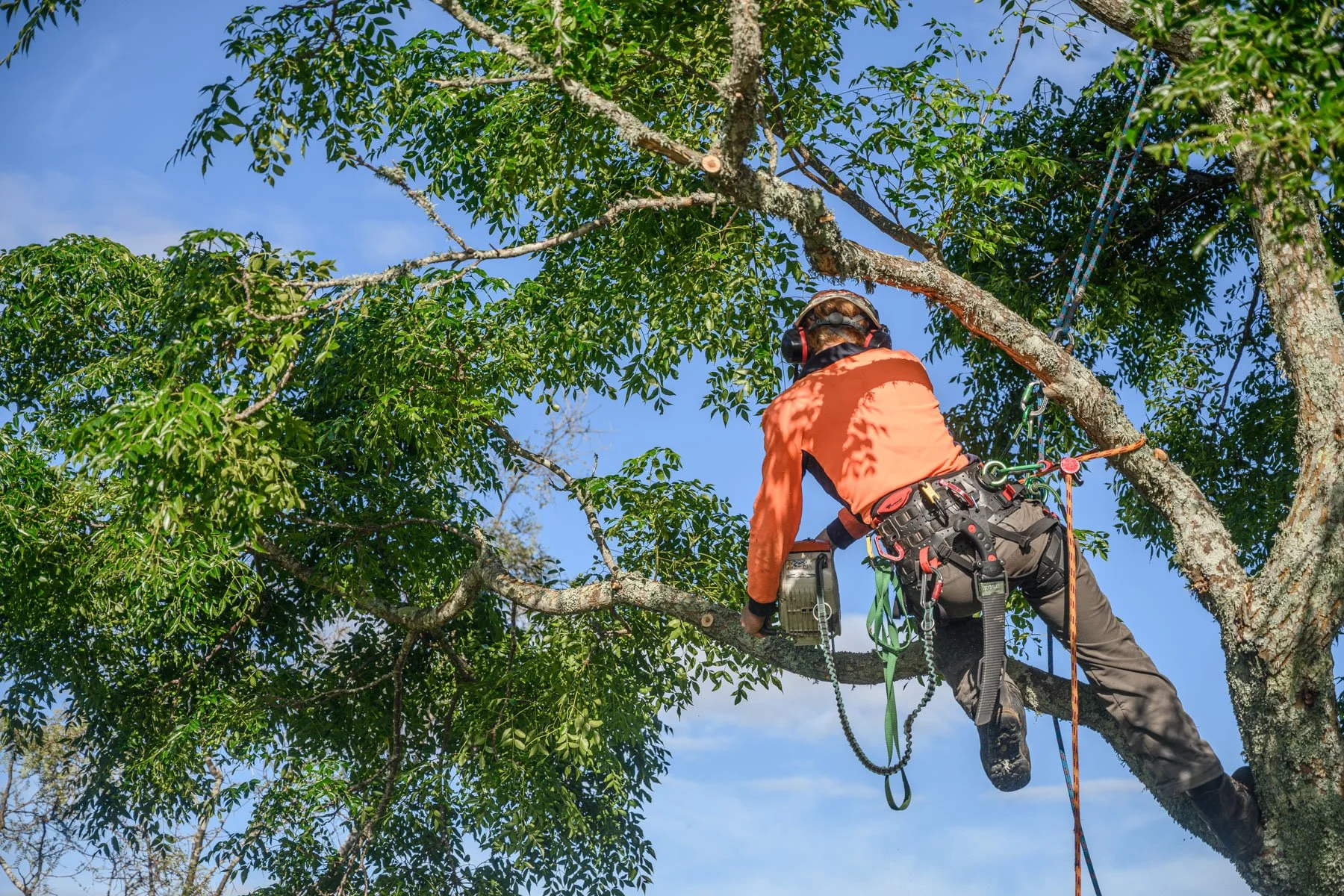
When a storm rolls in, trees can quickly shift from being an asset on your property to a serious liability. High winds, heavy rain, and saturated ground put stress on branches, trunks, and root systems. The difference between a tree that weathers the storm and one that causes damage often comes down to one thing: regular, proactive maintenance.
The Real Risk During Storms
Strong winds don’t just test the strength of a tree, they expose its weaknesses. Deadwood, overgrown canopies, poor structure, and compromised roots all increase the likelihood of:
Falling branches damaging homes, vehicles, and fences
Trees uprooting due to wind leverage and wet soil
Blocked driveways or accessways
Power line interference
Safety hazards for family, tenants, or customers
Most of these issues are preventable with the right maintenance plan in place.
How Tree Maintenance Reduces Storm Damage
Think of tree maintenance as a structural tune-up. Done properly, it strengthens your trees so they can handle tough conditions without failing.
Key maintenance practices include:
Crown thinning: Reduces wind resistance by allowing air to move through the canopy
Deadwood removal: Eliminates weak, brittle branches that are likely to fall
Weight reduction: Prevents large limbs from snapping under pressure
Structural pruning: Encourages strong, balanced growth patterns
Health checks: Identifies disease, decay, or root issues early
Regular maintenance doesn’t just protect your property, it extends the life and health of your trees long-term.
How Often Should You Maintain Your Trees?
There’s no one-size-fits-all answer, but as a general guide:
Annually: For most residential properties to keep trees tidy, safe, and structurally sound
Every 6–12 months: For larger trees, high-risk areas, or properties exposed to strong winds
Seasonally (pre-winter): Ideal timing to prepare for storm season and reduce risk
If your property is coastal, elevated, or exposed to prevailing winds (common across many Bay of Plenty locations), more frequent checks are a smart move.
Signs It’s Time to Call in the Professionals
Some warning signs shouldn’t be ignored. If you notice any of the following, it’s time to get your trees assessed:
Dead or hanging branches
Cracks or splits in trunks or limbs
Trees leaning or shifting in the ground
Dense, overgrown canopies catching the wind
Previous storm damage that hasn’t been addressed
Waiting until after a storm hits often means higher costs, more damage, and limited access to emergency services.
Why Proactive Maintenance Always Wins
Storms are unpredictable, but your preparation doesn’t have to be. A well-maintained tree is far more resilient and far less likely to cause damage when conditions turn.
Regular maintenance gives you:
Peace of mind heading into storm season
Lower risk of emergency call-outs
Protection for your home, vehicles, and infrastructure
Healthier, longer-lasting trees
Get Ahead of the Next Storm
At SG Trees, we focus on practical, no-fuss tree maintenance that keeps your property safe and your trees in top condition. Whether it’s a one-off visit or a scheduled maintenance plan, we’ll make sure everything is sorted before the next storm rolls through.
Book a tree assessment today and stay one step ahead of storm season.
